
There are moments in parenting that feel like a gut punch.
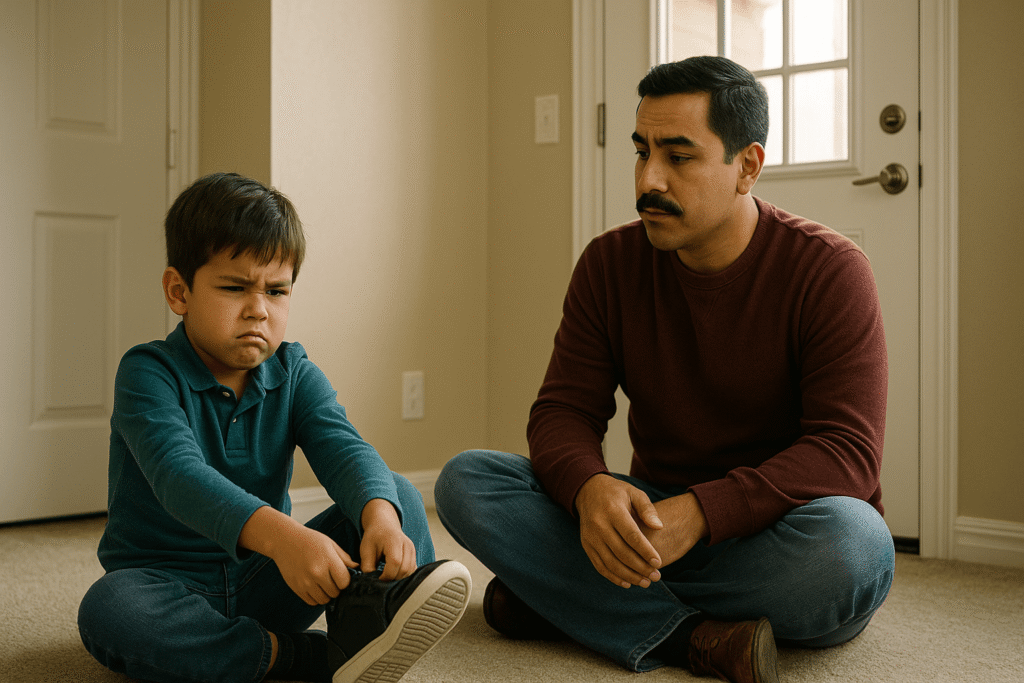
Your child screams “I hate you!” They push or hit – or say something so cruel it leaves you speechless.
It’s easy to feel shocked, hurt, or even disgusted in that moment. You might find yourself thinking: “How could you do such a thing?”
And it’s completely normal to react with:
- Hurting back – maybe by yelling or taking away something they love
- Shaming them with your words
- Or simply feeling lost and heartbroken
But here’s the truth: when your child lashes out to hurt back, it’s rarely about you personally. It’s about a deep pain inside them that they don’t know how to express.
The Hidden Message
When children act out in ways that hurt others, they’re not usually thinking, “I want to be mean.” Instead, their behavior is driven by mistaken beliefs – ideas they’ve formed (often unconsciously) about themselves and the world around them.
Every child has two core needs: to feel like they belong (that they’re loved and accepted just as they are) and that they matter (that their voice and efforts make a difference). When these needs aren’t fully met – or when a child feels disconnected, powerless, or unworthy – they start to act from those mistaken beliefs.
In the case of lashing out, the mistaken belief might be:
“I don’t think I belong. So I’ll hurt others as I feel hurt. I can’t be liked or loved.”
It’s not that your child wants to cause pain – they’re trying to protect themselves from feeling even more alone or invisible. That’s why, instead of shrinking back, they might retaliate, escalate, or find another way to show you:
“I’m hurting. Validate my feelings.”
Why It Feels So Hard
When this happens, it’s normal to feel:
- Shocked
- Hurt
- Disappointed
- Like your child has betrayed the trust between you
And your instinct might be to hurt back or shame them in return. But these reactions – while human – often confirm your child’s worst fear: that they are unlovable or “bad.”
How to Respond Instead
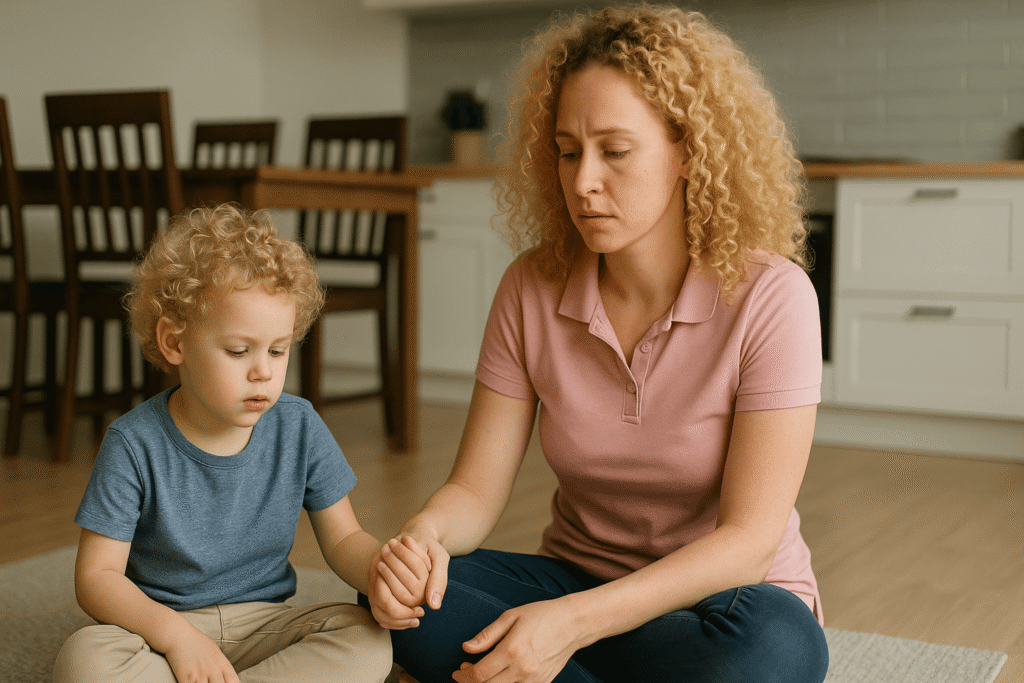
The real invitation in these moments is to see beyond the behavior – and respond to the pain beneath it.
Here’s what you can do to validate their feelings and rebuild trust:
1) Acknowledge hurt feelings – yours and theirs
“You’re really upset right now. And I felt hurt when you said that.”
This names the pain without shaming.
2) Avoid punishment or retaliation
Punishing in the heat of the moment doesn’t heal the wound – it deepens it. Take a pause instead. Let the storm pass before talking it through.
3) Use reflective listening
“It sounds like you’re feeling left out – or angry – or scared.”
This helps your child feel seen, even when their behavior isn’t okay.
4) Make amends – together
Once calm, invite your child to help make things right.
“What can we do to make this feel better?”
5) Encourage their strengths
Remind them:
“Even when you’re upset, you’re a kind and loving person. I see that in you.”
6) Don’t take sides – stay steady
If the outburst involves a sibling or friend, resist the urge to “pick a winner.” Focus on understanding and healing, not blame.
7) Use family or class meetings
Regular family meetings create a safe space to talk about hard feelings, solve problems, and practice listening. This is where children learn that even hard feelings have a place – and that belonging isn’t lost in a moment of pain.
Final Words
When your child lashes out, they’re telling you:
“I’m hurting. Validate my feelings.”
You don’t have to fix them – or tolerate hurtful behavior. But by showing up with compassion and calm, you teach them the most important lesson: that even when they’re struggling, they’re still loved and worthy.