
Gentle strategies that build long-term trust instead of short-term compliance
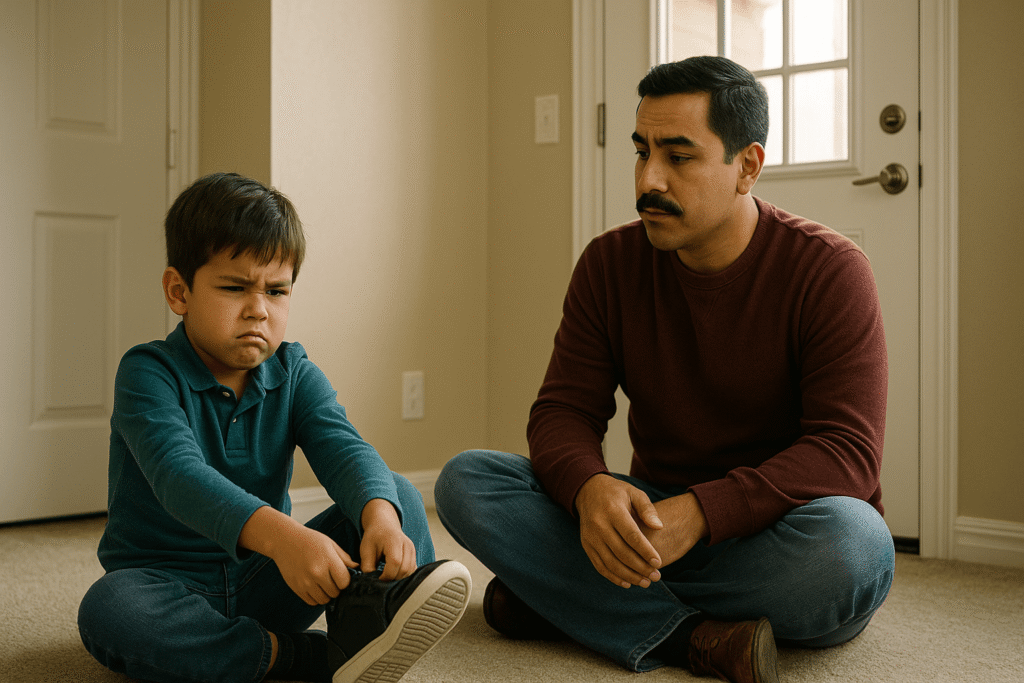
If you’ve ever felt stuck in a cycle of repeating yourself, bribing, or threatening consequences just to get your child to put on their shoes – you’re definitely not alone.
Many parenting approaches focus on controlling behavior in the short term. But what if there’s a better way? A way that creates real cooperation, not just momentary obedience?
These 8 tips for gaining your child’s cooperation are rooted in long-term connection, not quick fixes. They help your child want to cooperate – because they feel understood, included, and respected.
1. Involve Your Child in Daily Life
Children are more likely to cooperate when they feel ownership and responsibility. Rather than doing everything for them or to them, invite them into the process.
- Create routines together – Let your child help shape the flow of the day.
Example: “After we brush teeth, should we read or cuddle?” - Offer limited choices – This gives your child a sense of control within healthy boundaries.
Example: “Do you want the red cup or the blue one?” - Give small tasks – Even toddlers love to help! Involving them builds confidence and cooperation.
Example: “Would you like to stir the batter or hold the bowl?”
2. Be the Example You Want to See
Children learn through imitation. If we want them to be respectful, calm, or kind – we have to model those behaviors ourselves.
Before reacting, ask yourself: “Am I acting the way I want my child to act?”
3. Use Humor to Diffuse Tension
A playful approach can turn resistance into connection. Try a silly voice, a race to the door, or pretending their toothbrush is a superhero.
Important note: Children under 3 years old often don’t understand jokes or sarcasm. Stick to gentle playfulness, not teasing or tricking.
4. See the World Through Their Eyes
What seems small to us can feel huge to a child. Whether it’s a broken toy or not getting the blue spoon, take a moment to validate their feelings.
Example: “That tower falling was frustrating – you worked so hard on it.”
Connection always comes before correction.
5. Be Clear and Kind
Setting boundaries doesn’t have to mean being harsh. You can be firm and compassionate.
Example: “We’re leaving now. Do you want to hop or walk to the door?”
Consistency helps your child feel safe – and kindness helps them feel seen.
6. Slow Down and Be Patient
Children need time – to process, to transition, to grow. Rushing often leads to power struggles, while slowing down invites cooperation.
A simple pause and deep breath can change the energy in the moment.
7. Show, Don’t Just Tell
Instead of repeating instructions, show your child what to do. Young children learn best by watching and doing – not through lectures.
Example: “Watch me zip the coat – now it’s your turn!”
8. Celebrate Their Uniqueness
Every child is wonderfully different. When we stop comparing and start honoring their individuality, they feel safer and more connected.
Example: “You notice so many little details. I love how observant you are.”
Final Thoughts
These 8 tips for gaining your child’s cooperation won’t solve every conflict overnight – but they lay a foundation of mutual respect and trust that pays off in the long run.
When children feel included, capable, and safe, cooperation flows more naturally. Not because they’re scared of consequences, but because they feel seen, heard, and loved.